
Choctaw Nation Releases 2026 Tick Guide
New Tick Pathogens Identified on the Reservation Published April 14, 2026DURANT, Okla. – The Choctaw Nation Public Health Department has released the updated 2026 Choctaw Nation Tick Guide, highlighting new findings identified during the 2025 tick collection period. The guide provides valuable information to help community members stay informed and protected while enjoying the outdoors, particularly in southeastern Oklahoma.
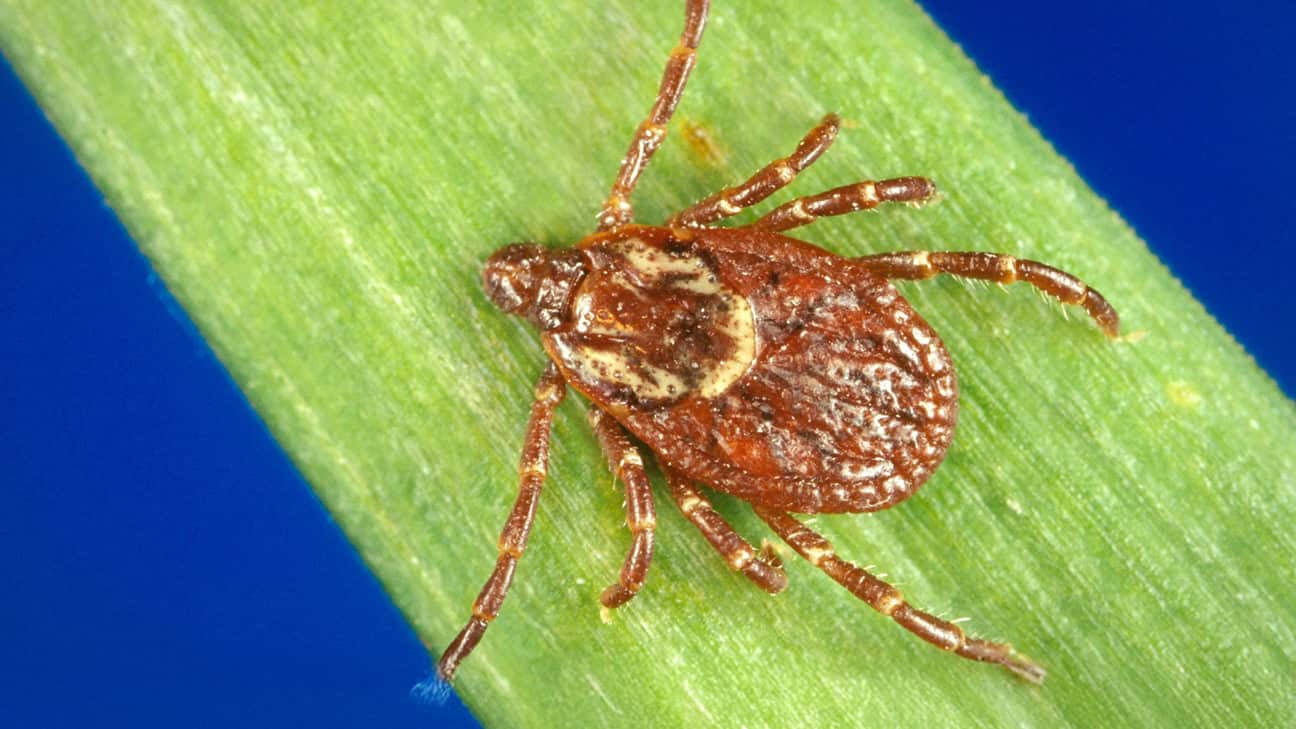
Over the past two years, in partnership with Oklahoma State University (OSU) and the Centers for Disease Control and Prevention (CDC), Choctaw Nation Public Health collected more than 2,000 ticks from across the reservation to identify species and test for disease-causing pathogens. The most common tick identified was the Lone Star tick, an aggressive species known to transmit several serious illnesses, including Alpha-Gal Syndrome (AGS), Heartland virus, Bourbon virus, and ehrlichiosis.
Notably, Choctaw Nation Public Health identified a pathogen not previously detected on the reservation, Panola Mountain Ehrlichia, within Pushmataha County. While Panola Mountain Ehrlichia is not currently classified as a human pathogen in the United States, ongoing research continues to examine its potential to cause human illness.
Additionally, Borrelia lonestari was identified in five counties within the Choctaw Nation, and the number of counties with confirmed Ehrlichia detection increased to seven.
“The findings from our tickborne disease surveillance program emphasize the importance of tickborne disease prevention within our communities and demonstrate the Choctaw Nation’s commitment to identifying potential public health concerns,” said Mason Emert, epidemiologist for the Choctaw Nation.
Public health data also indicate that rates of a tick-related food allergy to red meat (Alpha-Gal Syndrome), are higher within the Choctaw Nation than both Oklahoma statewide and the United States overall. These findings underscore the urgent need for proactive tick bite prevention strategies.
The Choctaw Nation Tick Guide offers practical tips for reducing the risk of tick bites, including:
- Wearing long sleeves and pants when outdoors
- Using EPA-approved insect repellents
- Checking for ticks after spending time outside
- Showering soon after returning indoors
- Keeping yards and play areas well maintained
Choctaw Nation Public Health is currently asking local veterinarian offices and animal welfare organizations to submit ticks for pathogen testing at no cost. For more information, please visit the onboarding page.
In addition, the entire community is able to report ticks found throughout the Choctaw Nation Reservation to help Public Health track where they are found. Fill out the Choctaw Nation Tick Survey.