
Five Years of Storytelling: The Choctaw Cultural Center’s Living Legacy
Iti FabvssaPublished July 1, 2026By Choctaw Nation Historic Preservation Staff
When the Choctaw Cultural Center opened in Durant in 2021, it fulfilled a dream carried quietly but powerfully through generations. As early as the 1960s, Choctaw leaders and community members spoke at Labor Day gatherings about the need for a cultural center, a place where Choctaw history, language and culture could be practiced and protected. Through many decades, that vision found momentum through the hard work and determination of many.
For Sue Folsom, often called the grandmother or dream keeper of the project, the Choctaw Cultural Center emerged from a deep sense of responsibility. Reviving a silent culture is a powerful intergenerational process, she explained, one that requires documenting oral history, strengthening language immersion, and keeping traditional arts alive. For her, the Choctaw Cultural Center had to be a place where elders were honored, youth were engaged, and heritage remained part of everyday life.
Folsom’s leadership was pivotal, but she was never alone in the dream to make this vision a reality. She chaired the Cultural Center Committee, a group that shaped almost every aspect of the project, from building design and interior detailing to exhibit content and the extent of tribal community members involved. As part of the development, the cultural committee visited more than 25 Tribal cultural centers across the country, receiving guidance about what other established institutions would and would not do to their centers differently, if given the chance. The culmination of the feedback received helped shape the Choctaw Cultural Center from the very beginning to how it stands today. Chief and Tribal Council were also key in ensuring the project received the support and funding needed to bring the vision to life. Folsom hoped the Choctaw Cultural Center would change things for both Choctaw people and visitors.
For Choctaw families, she envisioned a space that fostered cultural revitalization and empowered self-determination. For visitors, she hoped it would dismantle stereotypes and offer an authentic understanding of Choctaw history.
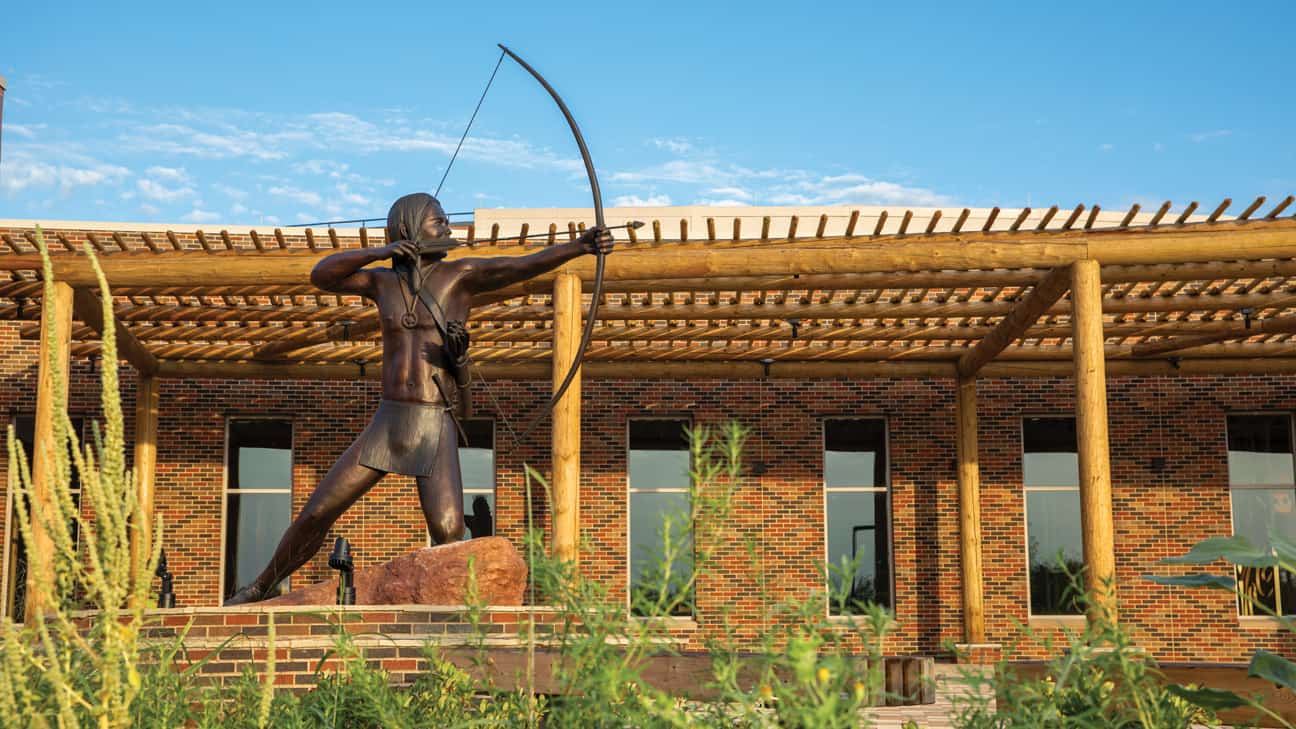
She imagined a cultural space that breaks down the invisible walls that often keep people out of traditional museums, a place where hands-on workshops, tribal events, and living culture would transform how people understand the Choctaw Nation and its people. In recognition of those who helped bring the center to life, and to those who continue to keep Choctaw culture going, a Culture Keeper’s statue stands on the north side of the cultural center in their honor.
To bring this vision to life, the Nation partnered with exhibit designer Michael Hanke, who describes the project as unlike anything he had ever worked on.
“It is one of those once-in-a-lifetime projects,” he said.
From the beginning, the cultural committee insisted that the story be told in the Choctaw voice. Every panel, every recreated environment, every media element was reviewed and approved by Choctaw cultural leadership. What made the exhibits unique was Hanke’s ability to work with the Choctaw community, not to tell their story for them, but to help create the space and platform for the community to tell their own story, from their perspective. “We did not do anything without their approval,” Hanke recalled.” It comes across in the exhibit. It is their story.”
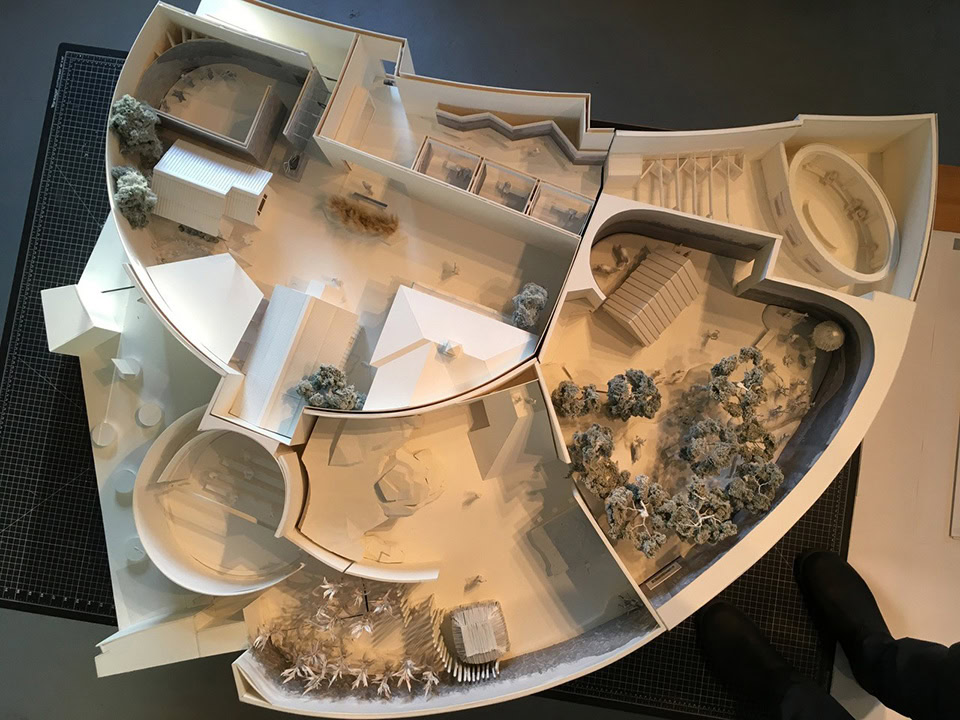
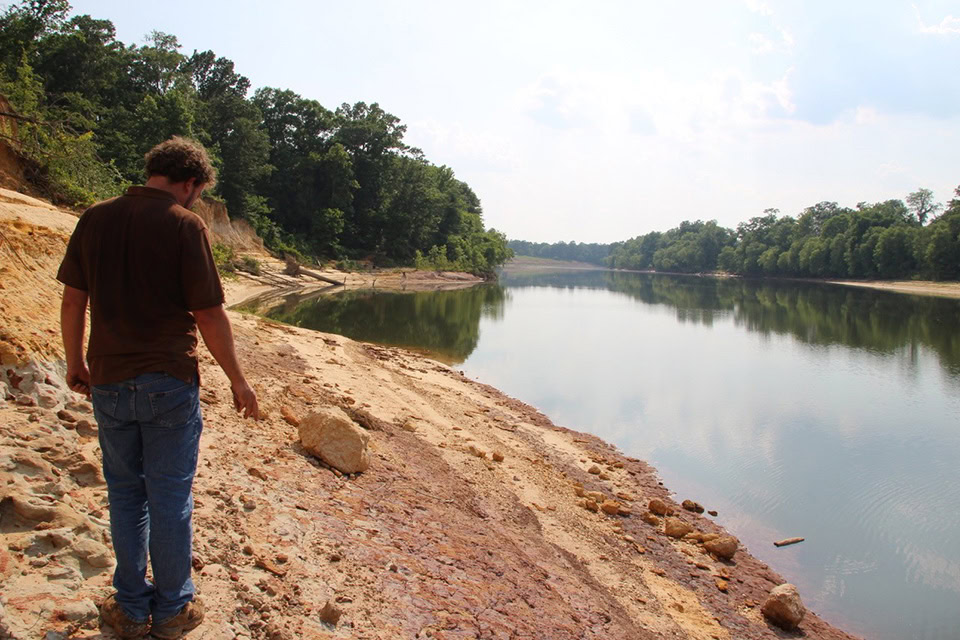
The building itself, designed by JCJ Architecture, reflected the same commitment to authenticity and cultural relevance. Rather than a traditional timeline, the team developed a series of landscapes that guide visitors through fourteen thousand years of Choctaw history. These landscapes are rooted in place, reflecting the deep relationships between Choctaw people and the land. Hanke and the exhibit design team traveled with Dr. Ian Thompson through the Choctaw Nation Reservation and ancestral homelands in Mississippi and Alabama. Those trips shaped the authenticity of the landscapes and left a lasting impression on Hanke.
“There was warmth and a sense of welcome,” he said. “We all really appreciated it.”
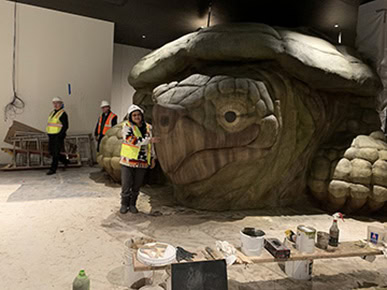
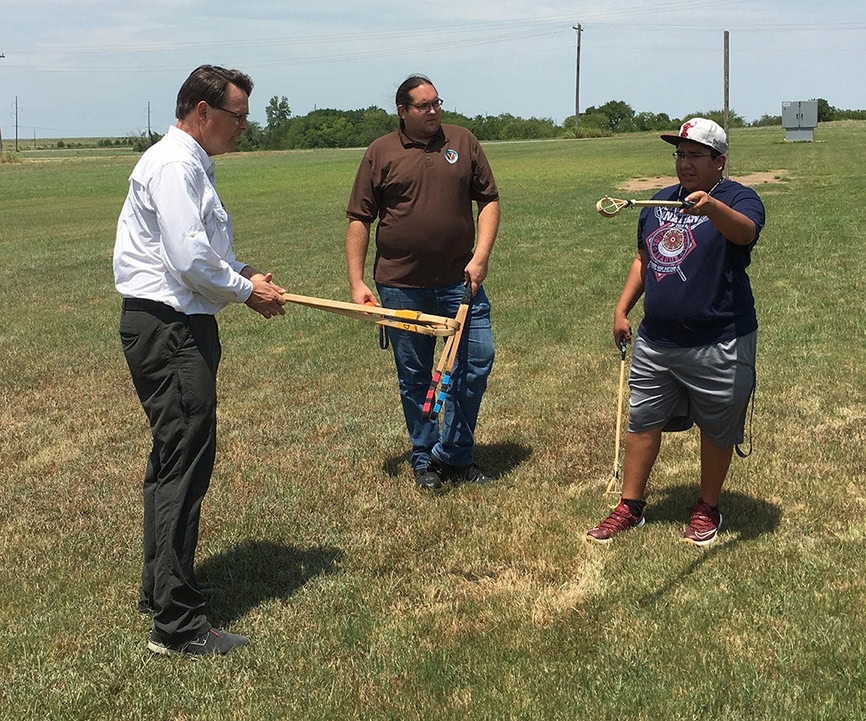
The Choctaw Cultural Center’s immersive quality is one of its defining features. Visitors encounter a recreated cave for the creation story, a stickball film shown from bleachers overlooking a field, a full-scale church that evokes Choctaw faith, and the acclaimed Moundville model praised by archaeologists for its accuracy.
More than 50 Choctaw artisans and community members who created clothing, tools, and ceramics are credited by name, a deliberate choice to honor living culture and contemporary artists.
One interpretive shift came directly from Choctaw leadership. We do not want to look at the Trail of Tears as something that defeated us, Hanke said. We want to look at the trail as something we survived and then prospered thereafter.
This perspective shapes the emotional arc of the exhibit, emphasizing resilience rather than tragedy.
For Cheyhoma Dugger, Director of Membership, the Choctaw Cultural Center’s impact is visible every day.
“Guests are often surprised and impressed by the amount of history and culture shared within the Choctaw Cultural Center,” Dugger said.
For Choctaw citizens, the Choctaw Cultural Center has become a source of pride and a place to reconnect with family stories. For non-Choctaw visitors, it is often their first encounter with an Indigenous-led narrative.
Many guests experience strong emotions, especially in the treaty hallway and the Removal landscape. Some express pride in the Nation’s accomplishments. Others feel sadness or anger at the mistreatment of the Choctaw people. Dugger sees these reactions as signs that the Choctaw Cultural Center is doing exactly what it was meant to do; present history honestly while highlighting the strength of the Choctaw Nation.
Over the past five years, the Choctaw Cultural Center has continued to grow. Under the leadership of Dr. Scott Wesley, the current Senior Director, the Choctaw Cultural Center continues to expand its programming and strengthen its community engagement. Additions include The Gift statue by Brendan O’Neill, the Chahta Anumpa i Tvshka Hoke (Warriors of the Choctaw Language) statue by Jane Semple Umstead, updated artifacts, a repatriated pipe bowl, expanded earth ovens in the Living Village, numerous stickball tournaments and clinics, and more than ten temporary exhibitions. These changes reflect the Choctaw Cultural Center’s commitment to remaining a living, evolving cultural space.
The permanent exhibits Chahta Nowvt Aya follow a four-part journey. Visitors begin with People of the Mother Mound, which shares the origins of the Choctaw people and the creation stories rooted at Nanih Waiya. From there, they enter Chahta Pia, an immersive landscape that recreates the sights and sounds of the Mississippi homelands as they existed in the 1600s through Removal. The journey continues into Moving Fires, where the story of removal is told through the eyes of two families traveling at different times and on different routes. The final gallery, Oklahoma, highlights how the Choctaw Nation rebuilt, maintained sovereignty, and invested in the well-being of its people, honoring the past while preparing for the future.
I have watched these spaces come alive in ways no blueprint or script could predict. I have stood quietly in galleries as elders found their own stories reflected back at them. I have seen visitors pause in front of a panel or artifact, their expressions shifting as understanding settled in. I have watched children lean forward in wonder during the creation story or run excitedly toward the stickball field in the Living Village. I have listened to family members whisper memories to one another, and to guests who arrived as strangers but left with a sense of connection.
In those moments, I have been the silent observer, witnessing how the Choctaw Cultural Center does exactly what it was meant to do. It teaches. It heals. It inspires. It reminds people who they are, and it invites others to understand who we have always been.
Five years after its opening, the Choctaw Cultural Center stands as a testament to cultural sovereignty, community collaboration, and the power of Indigenous-led storytelling. It honors the grandmother whose vision sparked the project, the designers and cultural leaders who shaped it, the Choctaw community who helped bring it to life, and the visitors who continue to learn from it.
Most importantly, it honors the Choctaw people, past, present, and future.
The Choctaw Cultural Center is a living legacy, continually evolving, expanding, and inspiring.
As it enters its next five years, it remains what it was always meant to be, a place where Choctaw culture is not only remembered, but lived.
References
- Choctaw Cultural Center (2026) Exhibitions. Choctaw Cultural Center.
- Folsom, Sue n.d. Email interview with the author, June 8.
- Hanke, Michael n.d. Phone interview with the author, June 12.
- Duggar, Cheyhoma n.d. Email interview with the author, June 9.