

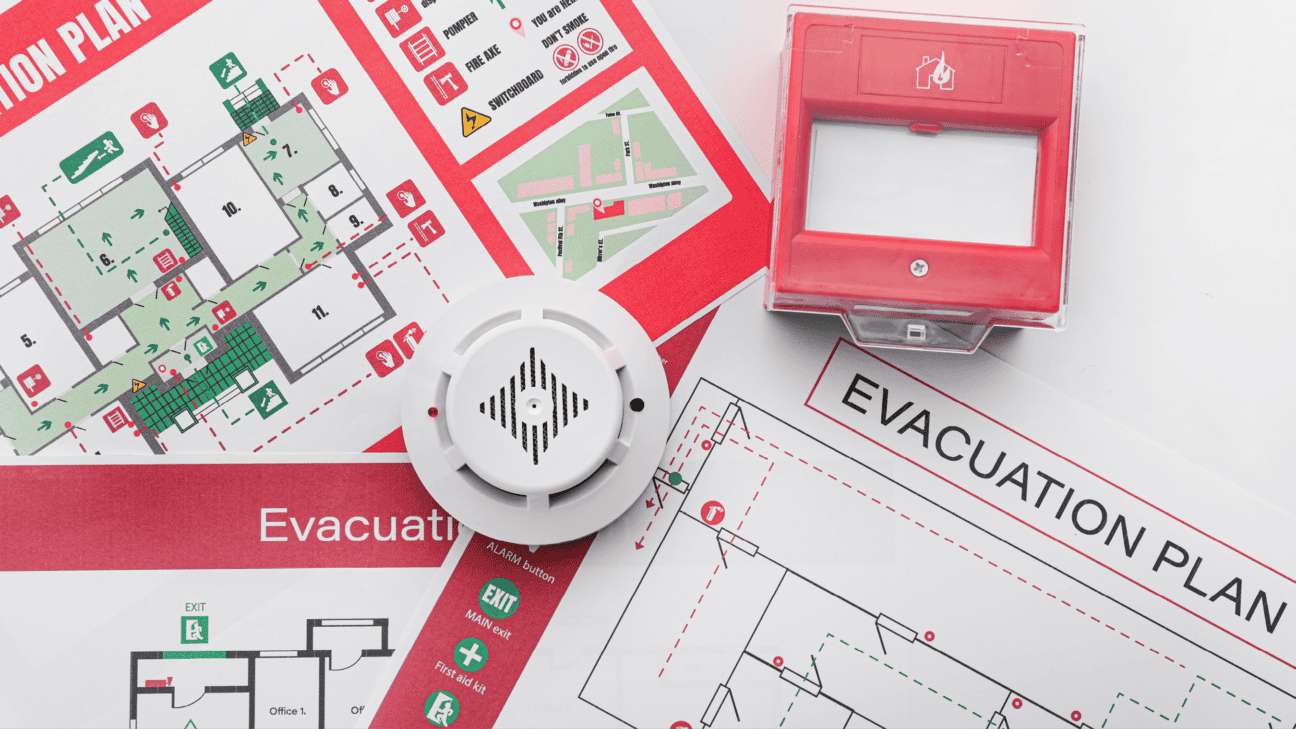
Every home has some hidden fire risks but knowing what to look for can help you prevent most of them. This guide will help you spot common hazards and keep your family safe.
Install and Maintain Smoke Alarms
Smoke alarms can double your family’s chances of surviving a fire, so it’s important to have more than one in your home.
- Remember to test your smoke alarms and change the batteries regularly.
- Test your smoke alarms once a month and change the batteries every six months if they use replaceable batteries, even if they seem fine. Some alarms are tamper-resistant and last ten years without battery changes.
- A good habit is to change the batteries twice a year when you adjust your clocks.
Beware of Common Fire Risks in the Kitchen
Most home fires start in the kitchen while cooking, usually on the stovetop rather than in the oven. Always stay in the kitchen when you are cooking, frying, or grilling on the stove.
- Check for curtains, towel racks, or even paper towel dispensers sitting too close to the burners.
- If your microwave isn’t built in, make sure it’s clear of surrounding clutter and its vents aren’t obstructed.
- A fire extinguisher should be kept within easy reach in case something ignites while you’re cooking.
- If you don’t have a fire extinguisher, never pour water on a grease fire. If a fire starts in a pan, cover it with a lid to put out the flames.
- In 2021, U.S. fire departments responded to an estimated 170,000 home cooking fires. These fires caused an estimated 135 deaths, 3,000 injuries, and over $494 million in property loss.
Did you know:
The leading factor contributing to ignition in nonconfined home cooking fires was unattended equipment (37%).
Use Home Heating Equipment Safely
Heating equipment, such as space heaters, is involved in one out of every six home fires.
Heating fires were the second leading cause of home fires in 2021. An estimated 32,200 home heating fires were reported to U.S. fire departments. These fires caused an estimated 190 deaths, 625 injuries, and $442 million in property loss.
- Always keep anything that gives off heat at least three feet away from anything that can catch fire.
- Never plug more than one heating appliance into an outlet.
- Keep portable gas generators outside and away from windows to avoid carbon monoxide poisoning.
- If you have a fireplace, make sure your chimney is checked and cleaned by a professional once a year. Use a metal or glass screen that is large enough to prevent embers from escaping.
- Never leave fires, candles, or heating appliances unattended. Make sure they are off and unplugged when you are asleep, in another room, or away from home.
Did you know:
Home portable heater fires accounted for only 3% of all home heating fires annually during 2017-2019, but they accounted for 41% of fatal home heating fires.
Maintain Your Appliances – Especially Dryers
Dryers are responsible for about 9 out of 10 appliance fires.
- Check all your appliances for testing labels that indicate they were purchased in safe working order. You may not find them on some older appliances, so consider whether it’s time to replace them or have them checked by a professional.
- Get in the habit of cleaning the lint screen after every use. This small step can prevent bigger problems later.
Did you know:
Failure to clean (31%) was the leading factor contributing to clothes dryer fires in homes from 2018 to 2020.
Inspect & Repair Electronics and Outlets
Include your electrical outlets on your home inspection list.
- Are any overloaded or showing signs of wear?
- Try to give each appliance its own outlet, and only use extension cords when you need to reach a distant outlet.
- Never run extension cords under rugs.
- Make sure all your lamps are using bulbs with a wattage equal to or less than the manufacturer’s recommendation.
- Unplug electronics when they are not in use.
- Make sure items like televisions and computers have space around them and are not near anything that can catch fire, since they can get hot.
Don’t Neglect Basements, Backyards, and Other Storage Areas
Your garage, basement, and yard can also be hazardous.
- Avoid cluttering debris or junk near your furnace or heater.
- Old newspapers stacked in damp, warm places can catch fire on their own, even if they are not near a heat source.
- If you have gasoline or other flammable liquids at home, keep them tightly sealed in metal containers and keep them far away from heat sources, including the gas or charcoal grill.
- The grill itself should be at least 10 feet from your home and placed away from any overhead branches or structures.
Practice Your Escape Plan
Even if you are careful, emergencies can still happen. Make sure you and your family have a plan for what to do in case of a fire.
- Create an escape route that provides two possible exits from each room, such as a window and a door.
- Avoid using any windowless rooms as bedrooms.
- Keep escape routes as clutter-free as possible so no one trips and falls on the way out during an emergency.
- Practice your plan at least twice a year and make sure everyone can safely escape in less than 2 minutes.
- Remember, some people in your home may need extra help. Decide who will assist them and practice your plan together.